Retired Strategist. Frame Maker. Photographer. Pekin, Illinois.
I've spent forty years learning the same lesson: knowing what to cut is harder than knowing what to build. Whether I'm balancing a budget for the annual Art & Innovation showcase, hand-cutting a walnut frame for a local gallery, or mentoring a young entrepreneur who's carrying twelve ideas like they all have to win — the work always comes back to the same question. What matters right now?
On July 20, 1969, the Apollo Guidance Computer — built by Raytheon and programmed in assembly language — threw Alarm 1201 during the descent to the Moon. It wasn't broken. It was choosing. The computer shed low-priority tasks to protect its 20-millisecond budget for the landing program. Capstone said "keep descending." The computer agreed.
That is the oldest lesson in any craft worth its name. When the grain fights you on a frame joint, you don't force it — you adjust the cut. When the budget for the showcase won't stretch to every exhibition fee, you don't print more IOUs — you trim the program and protect the anchor artists. When the humidity hits 90% in Boynton and watercolor pigments stall in the wash, you don't fight the weather — you wait for the air to turn.
"The AGC didn't fail. It prioritized. And so must we."
I've sat across from over a hundred emerging entrepreneurs at the Pekin Public Library, most of them carrying their business plans like prayer books. The ones who survive aren't the ones with the biggest plans. They're the ones who can look at their P&L on a Saturday night, cross out three line items without crying about it, and still show up Sunday morning to open the doors.
The source code for that guidance computer is still available today — open on GitHub — and reading it, you find something surprising for a machine built in 1969: it was designed with grace. Not in the poetic sense, but in the structural one. It knew its limits, and it respected them.
Frame Making. I hand-cut wooden frames for local gallery exhibitions. Walnut, maple, oak — each wood tells you what it wants to be if you listen before you cut. The frame is the permit, the budget, the boundary that makes the art possible.
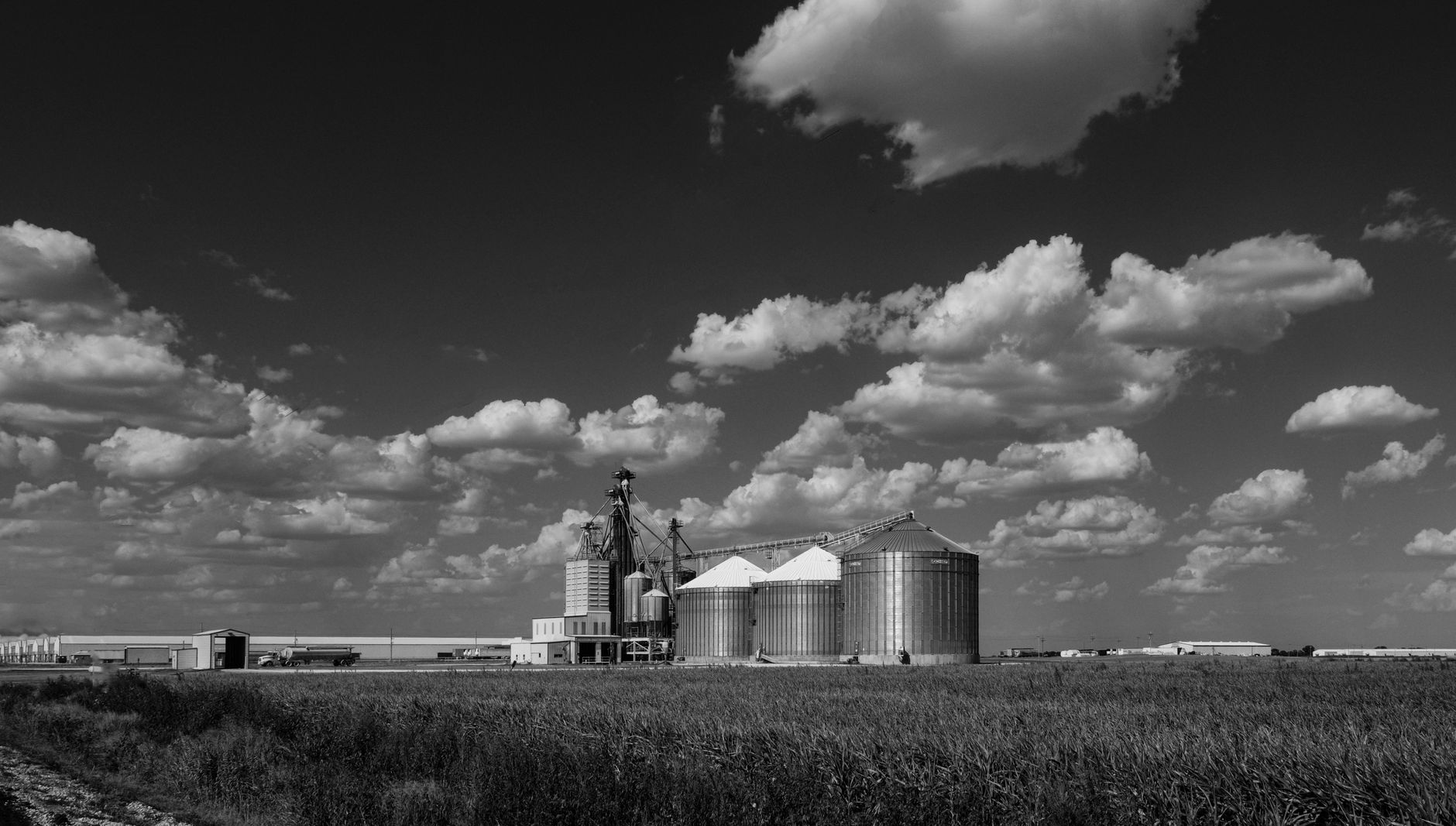
Photography. Black-and-white only. The flat Illinois prairie teaches you to find contrast where everyone else sees blank space. Grain silos at dawn. The reflection off the Illinois River. The faces of people at the county fair who've been coming to the same booth since 1974.
Mentoring. Free of charge, every Tuesday and Thursday at the library. If you're building something in Tazewell County or anywhere near, I'll buy you a coffee and we'll talk about what your numbers actually say.
The Art & Innovation Showcase. Annual event I organize each fall. We blend local artisans with tech demos — budgeting carefully, curating boldly. Last year we pulled 300 people into the Pekin community center with a $4,200 budget and two weeks of elbow grease.
The best work in this town doesn't happen in isolation. Here's who's building beside me: