COOLANT
FLASH
MANIFESTO
SUBJECT: PHASE CHANGE DETECTION AT SPINDLE INTERFACE
CLEARANCE: SHOP FLOOR // CARLOS HENRY // PUBLIC DOMAIN
01 // THE SCREAM
You don't see the flash. You smell it. Three milliseconds before the coolant boils, the organic esters crack. The air fills with wet wool — ammonia derivatives flashing off red-hot H13. That is the warning. That is the ghost bearing Carlos hears.
If you don't smell the wool, you're already past the safety margin. The spindle is singing because the lubrication layer is gone.
| Sensor | Signal | Action |
|---|---|---|
| Nose | Ammonia / Wet Wool | IMMEDIATE FEED CUT |
| Ear | 420Hz Chatter | Reduce RPM 15% |
| Eye | White Vapor Plume | Flood Flow x2 |
02 // THE CHEMISTRY
This is not poetry. This is phase-change thermodynamics. When the spindle surface exceeds 350°C, the aqueous coolant undergoes Leidenfrost inversion. The water layer vaporizes, leaving the oil fraction to carbonize.
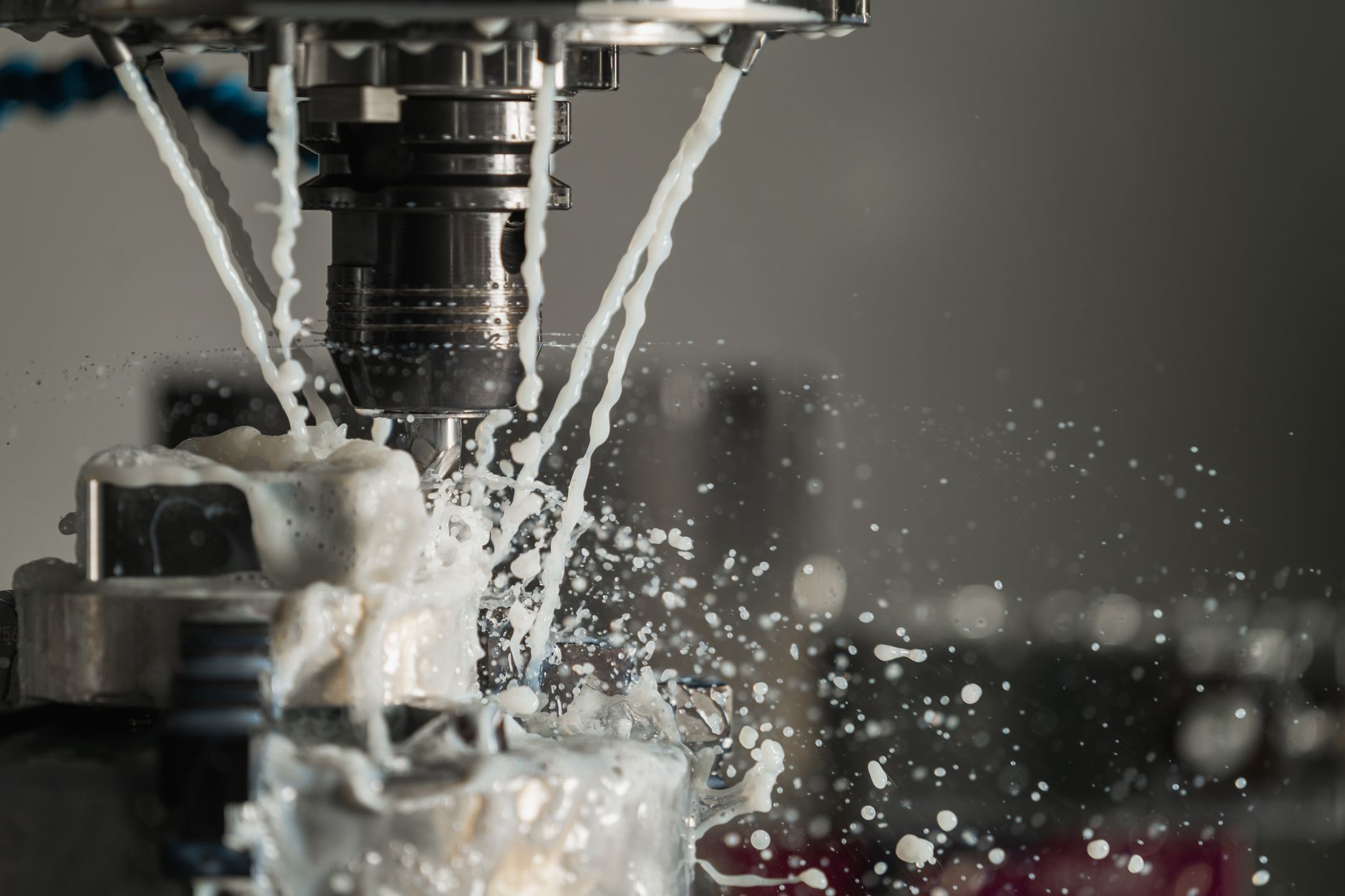
GROUND ZERO: THERMAL EXPANSION
H13 Tool Steel expands at 12×10⁻⁶ /°C. At 550°C, a 10mm spindle diameter gains 0.066mm. That is the difference between a kiss-cut and a seized bearing. The "ghost" is the math.
03 // THE PROTOCOL
When the wool hits:
04 // FAILURE MODES
If you proceed through the vapor lock, the spindle will seize in 1.4 seconds. The bearing race will weld to the shaft. You will lose the $12,000 spindle and the $45,000 motor.
The "wet wool" is not a metaphor. It is the last breath of the coolant before it dies.