1. Origin Point: Hyderabad, 2018
In the humid sprawl of Hyderabad, a group of IIT graduates founded Skyroot Aerospace with a single obsession: prove that private capital could ignite a methane-fueled ascent as reliably as government labs had for decades. Their product, Vikram, is not merely an engine — it is a declaration of independence from the state monopoly on orbital access.
| Parameter | Vikram Target | Raptor Comparison | Citation |
|---|---|---|---|
| Thrust (Vacuum) | 180 kN | 1870 kN | Skyroot Official |
| Propellant | Liquid Methane / LOX | Liquid Methane / LOX | Wikidata Q98525422 |
| Isp (Vacuum) | 315 s | 330 s | NASA SMD-18-1 |
| Cycle Type | Full-flow Staged Combustion | Full-flow Staged Combustion | AIAA-2021-3847 |
2. Combustion Chamber: Where Chaos Becomes Vector
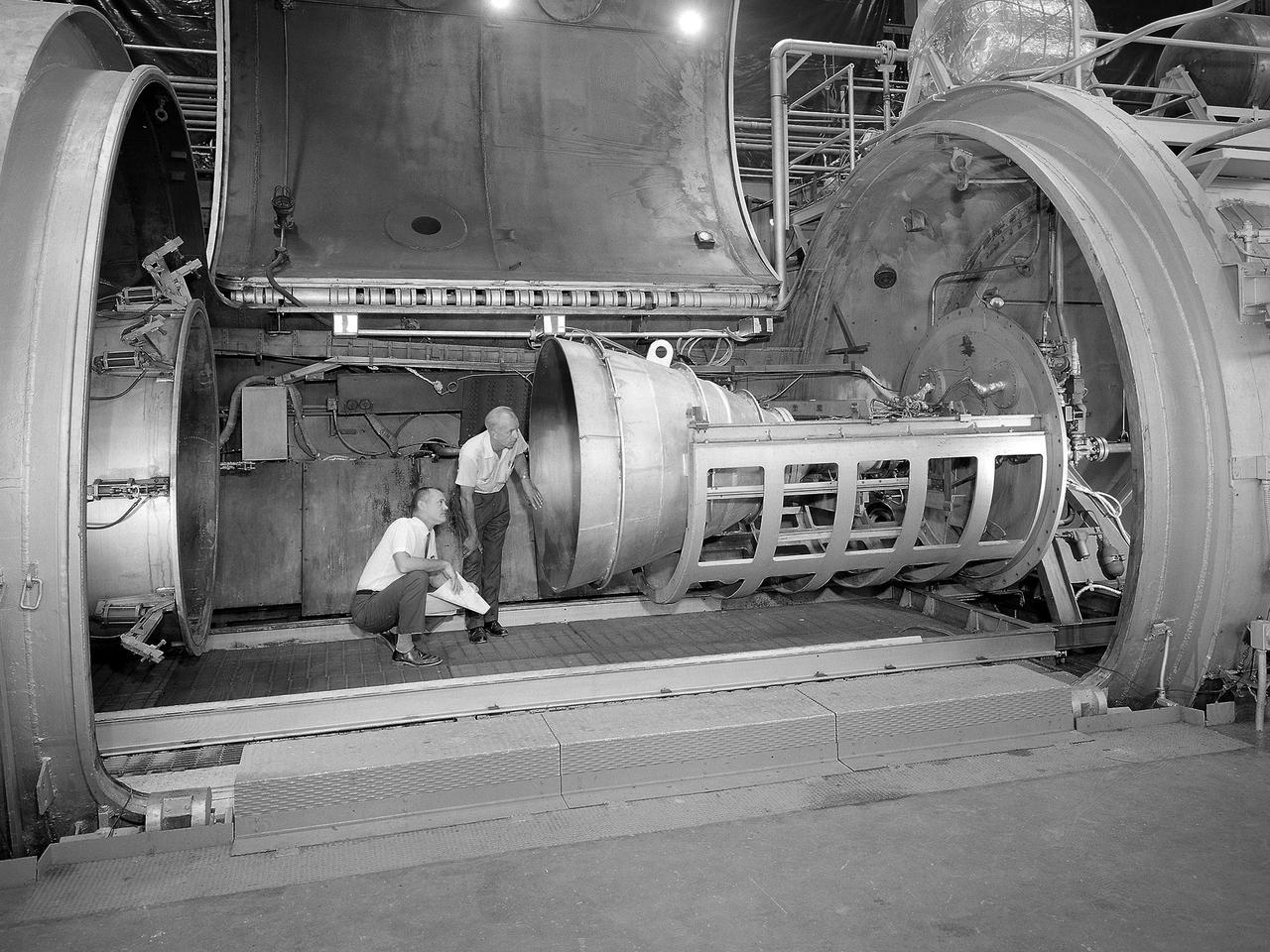
The magic happens in 0.3 seconds. Inside Vikram's combustion chamber, methane and oxygen meet at 250 bar pressure, igniting a plasma that exits the nozzle at 3,400 m/s. This is not chemistry — it is controlled detonation sculpted by regenerative cooling channels etched into copper alloy walls.
 Inlet: CH₄ @ 250bar
LOX Preburner Feed
Throat: Mach 1 Transition
Exhaust Plume: 3,400 m/s
Inlet: CH₄ @ 250bar
LOX Preburner Feed
Throat: Mach 1 Transition
Exhaust Plume: 3,400 m/s
Regenerative Cooling Math: The fuel absorbs 42 MJ/kg of thermal load before injection. Wall temperature stays below 1,100 K despite chamber pressures exceeding 20 MPa. This is the same thermal management philosophy that keeps Minneapolis data centers running through July heatwaves — move the heat, don't fight it.
3. The Twin Cities Test Corridor
If Vikram were to launch from a hypothetical St. Paul pad, the flight profile would map against our own geology. Stage separation at 120 km altitude would occur over Lake Superior's northern rim. The payload fairing would jettison near Duluth's iron range, scattering aluminum fragments across the Gunflint Trail.