Where heat meets history, and every blister tells a story.
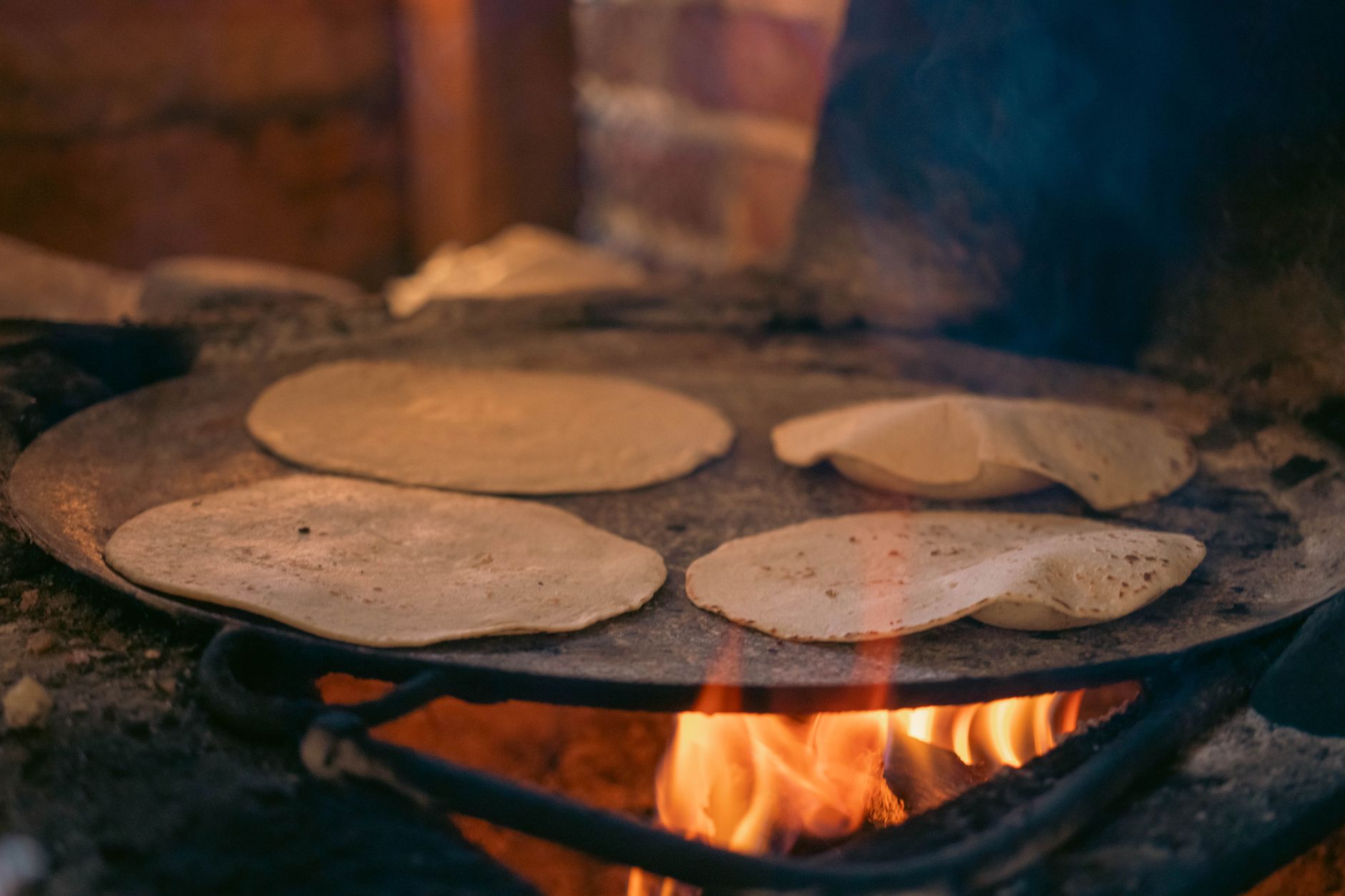
Mijo, listen close. When I was twelve, my abuela handed me a guajillo pepper and said: "Benito, this skin must kiss the fire, but never burn." She placed it on her comal — black iron, seasoned with thirty years of corn and oil.
I pressed it down too hard. Too fast. The skin blistered, yes, but the flesh inside stayed raw. She took it away and shook her head. "Patience is not waiting," she said. "It is knowing when the pepper knows it is ready."
That night, we ate a mole so rich it tasted like the earth itself. And I learned: heat is a conversation, not a command.
While the galaxy chants of golden seams, I light my comal. Here is what I know, grounded in the facts:
Enter your flame intensity and contact time. The comal will tell you when the pepper sings.
At 80°C, the pepper's skin surrenders its rigidity. You smell nothing yet — only warmth. This is where beginners fail: they turn up the flame. Don't. Wait for the sigh.
120°C — 175°C. Blisters erupt like volcanoes. The capsaicin wakes, the sugars caramelize. This is the sweet spot. Flip every 15 seconds. Listen for the crackle.
200°C ± 5°. Black marks appear — not burns, but signatures. Remove immediately. Steam under a towel. The smoke becomes flavor.