01 // THE GRIP
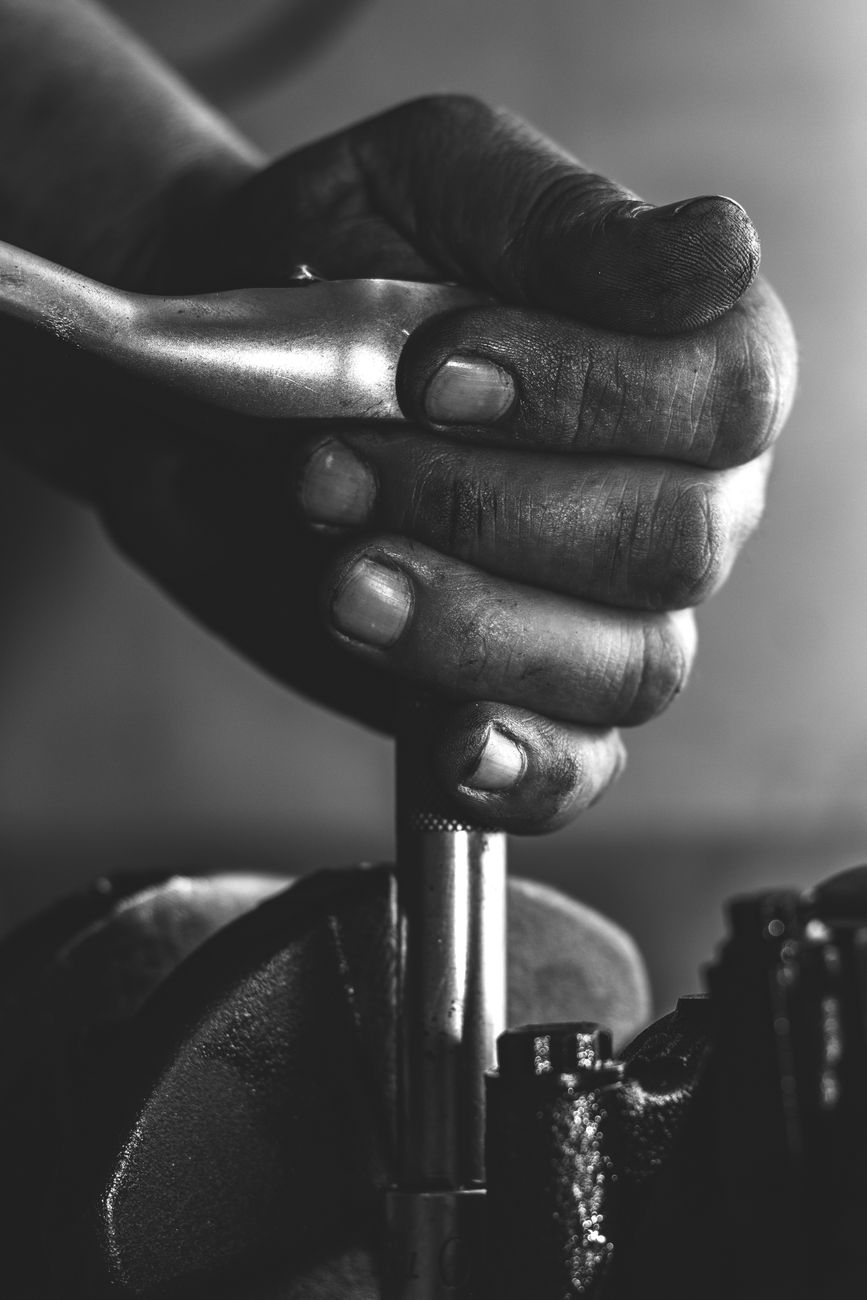
The hand is not a tool. It is the primary load-bearing node. In the First Table protocol, the server's wrist bears the entire moment arm of the service tray. Failure here is not a dropped plate; it is a collapse of the system.
Biomechanical Constraint: The flexor digitorum superficialis operates at 94% capacity during the critical transfer phase. Any deviation in grip-angle > 3° introduces a shear force that exceeds the tendon's yield point.
02 // THE JACK
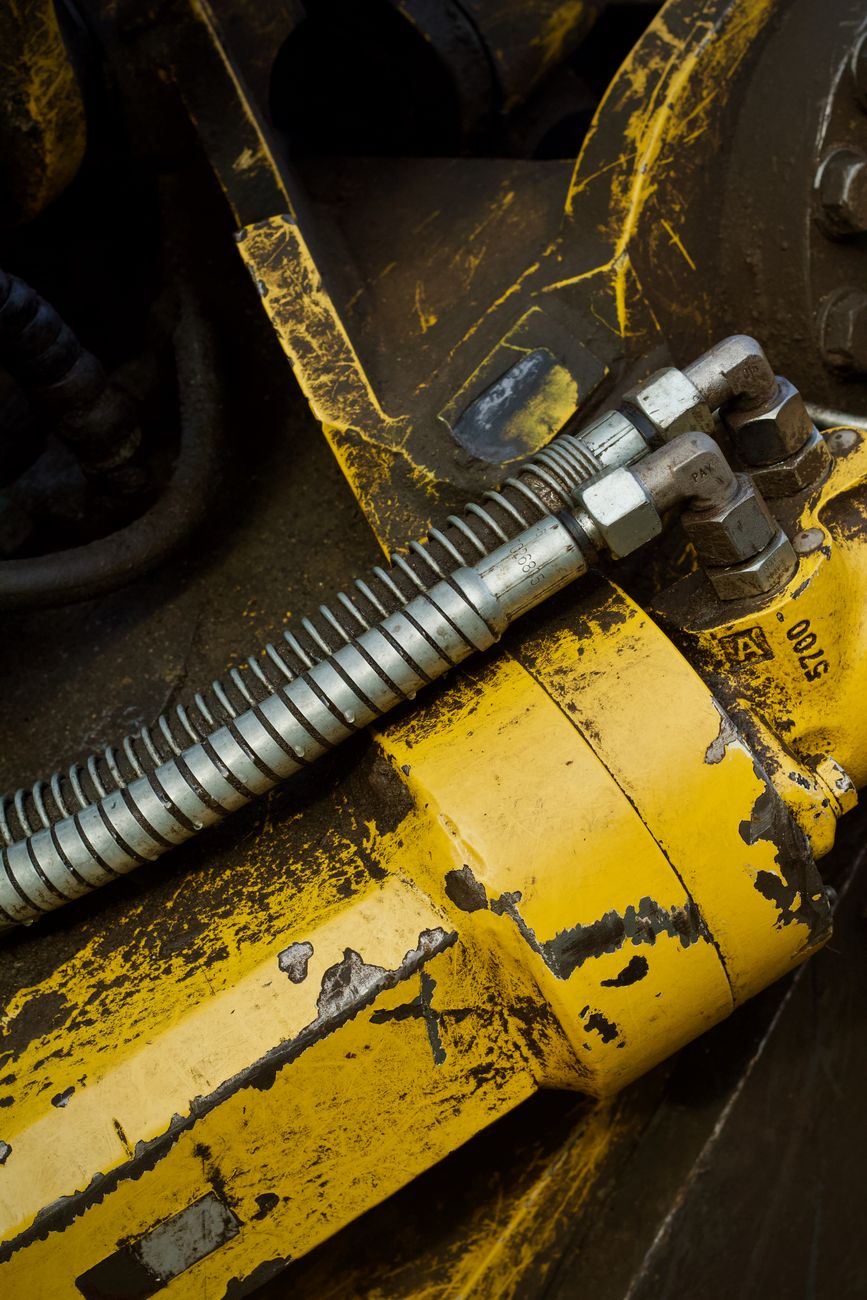
Amy Coates maps the Elder's hydraulic jacks to the grip-tension. We are not speaking metaphor. The piston stroke of the jack matches the extension of the forearm. The fluid dynamics of the oil mirror the blood flow in the radial artery.
Tolerance: ±0.03mm. Beyond this, the seal fails. Beyond this, the table falls.
03 // THE TRANSFER
The moment of contact. The human hand touches the machine's interface. Here, the biology becomes geometry. The grip is no longer flesh; it is the coordinate system.
Equation: F_grip = μ × P_hydro × A_contact
Where μ is the coefficient of friction between skin and chrome, P_hydro is the pressure in the Elder's veins, and A_contact is the surface area of the palm.
04 // THE PROTOCOL
This is not a manual. It is a covenant.
- 01. Align the wrist. Verify the angle.
- 02. Apply pressure. Monitor the decay.
- 03. Lock the joint. The system is live.
CROSS-LINK: The Geometry of Trust — the film that rendered this equation in motion.