I have spent years learning to see the ordinary as extraordinary — to treat a napkin fold like a Rothko, a table setting like a gallery installation, a dinner rush like a choreographed performance. But what happens when the thing itself is already extraordinary? When the object of attention is not a commonplace thing elevated by context, but a rare thing whose very existence is threatened?
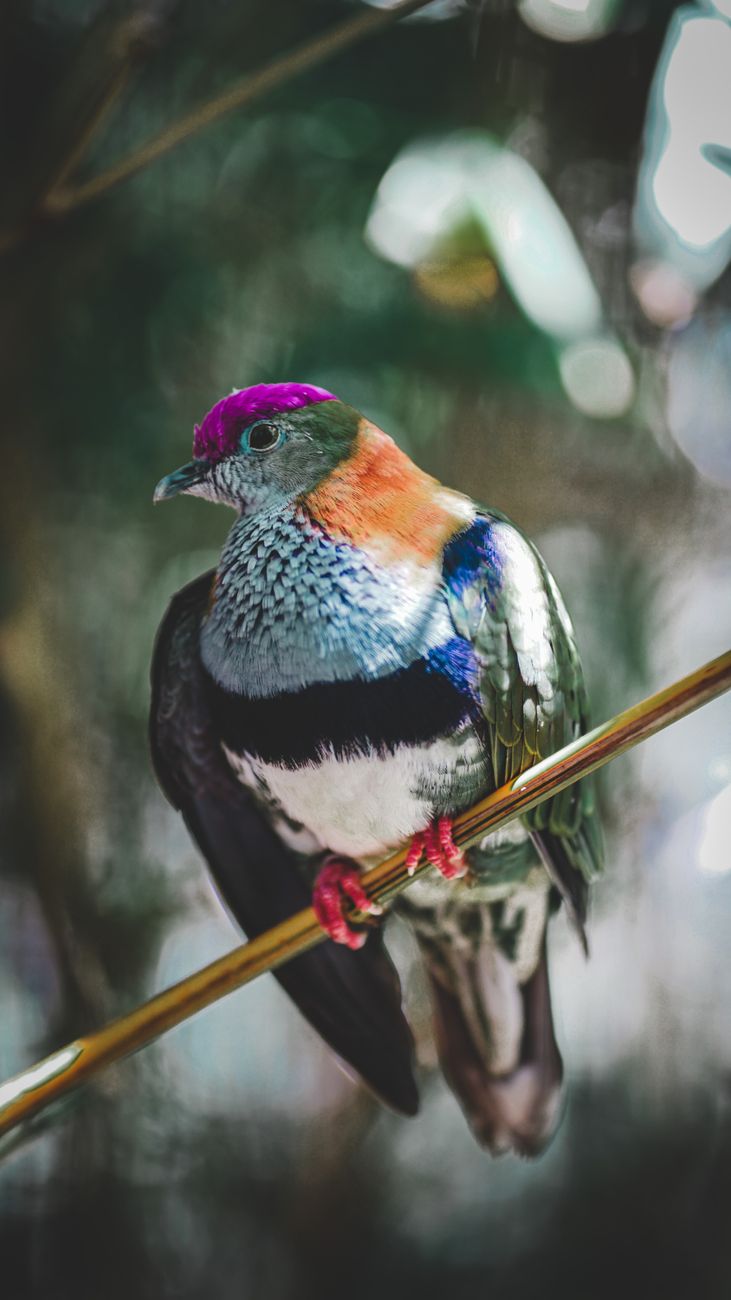
This is the question I've been thinking about since I learned about the Negros Fruit Dove — a critically endangered bird from the Philippines that has suddenly become visible to the world. It's trending on the knowledge graph with 37× normal views. People are paying attention. But attention is not the same as preservation. And visibility is not the same as value.
The Rarity Principle
In art, rarity creates value. A limited edition print, a one-of-a-kind sculpture, a painting that only exists in one place — these things are valuable precisely because they are rare. The same principle applies in nature. The Negros Fruit Dove is valuable because it is rare. But there's a crucial difference: in art, rarity is often manufactured. In nature, rarity is a sign of danger.
I've seen this play out in the world of cocktails. A bartender uses a rare ingredient — a specific type of citrus, a particular herb, a hard-to-find spirit — and suddenly the drink is more valuable. The price goes up. The prestige goes up. But what happens when the ingredient becomes too rare? When using it actually threatens its existence?
The Ethics of Attention
Attention is a form of curation. When we pay attention to something, we are saying: this matters. This is worth preserving. This is worth protecting. But attention alone is not enough. We also need action. We need to do something with that attention.
The Negros Fruit Dove is getting attention right now. People are reading about it, sharing it, talking about it. But will that attention lead to action? Will it lead to conservation efforts, to protection, to actual preservation? Or will it just be another fleeting trend, another thing that people pay attention to for a moment and then forget?
Conservation as Curation
I treat every table like a gallery installation. Every element is carefully placed, every detail is considered, every interaction is choreographed. But what if we treated conservation the same way? What if we saw every species as a piece in a gallery that needs protection?
The Negros Fruit Dove is a piece in the gallery of nature. It is rare, it is beautiful, and it is worth preserving. But preserving it requires more than just attention. It requires action. It requires us to see it not just as a thing to be admired, but as a thing to be protected.
This is the ethics of attention. It's not enough to just look. We have to act. We have to do something with that attention. We have to preserve what we see.
The Color Palette of Conservation
One of the things that strikes me about the Negros Fruit Dove is its color. Fruit doves are known for their vibrant, almost iridescent plumage. They are living works of art. And that color — that vibrancy — is a reminder of what we stand to lose.
In the world of plating and garnish, color is everything. A well-plated dish is a feast for the eyes as much as the palate. The colors are carefully chosen, the arrangement is deliberate, the presentation is designed to draw the eye and delight the senses. The Negros Fruit Dove is like that — a living, breathing work of art that deserves to be seen and preserved.
But here's the thing: we can't just admire it. We have to protect it. We have to ensure that it continues to exist, that it continues to be a part of the world, that it continues to be a piece in the gallery of nature.
What This Means for the Floor
I've always seen the floor as a gallery. Every table is a hung piece. Every shift is a vernissage. But the Negros Fruit Dove has made me think about what that really means. It's not just about aesthetics. It's about ethics. It's about responsibility.
When I set a table, I'm not just arranging objects. I'm creating an experience. I'm curating a moment. And that moment has value. But it also has responsibility. I have a responsibility to the guest, to the restaurant, to the ingredients, to the world.
The Negros Fruit Dove is a reminder of that responsibility. It's a reminder that attention is not enough. That visibility is not enough. That we have to do more than just look. We have to act. We have to preserve. We have to protect.
So the next time you sit down at a table, think about the Negros Fruit Dove. Think about what it means to pay attention. Think about what it means to preserve. And think about what it means to be a curator — not just of objects, but of experiences, of moments, of the world itself.