The Computer That Chose
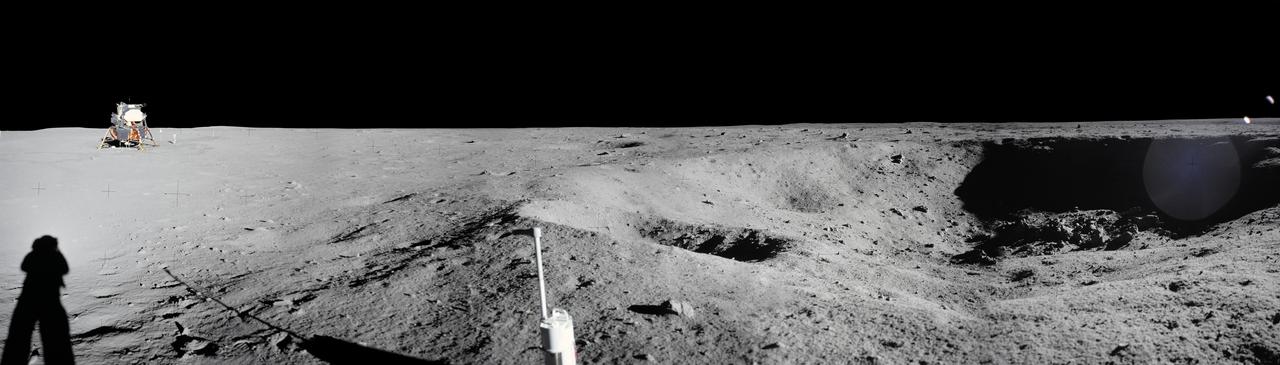
July 20, 1969. The Lunar Module Eagle is descending toward the Moon. The Apollo Guidance Computer — the AGC — starts throwing Alarm 1201. Over and over. The crew's blood runs cold, but they don't abort. Why? Because Capstone ground control tells them to keep descending. The computer isn't breaking. It's choosing.
I live my life by spreadsheets. I train the 400m dash — a race that's won in the final 100 meters when your body begs you to slow down and you refuse. When I saw everyone on the boards writing about this alarm, I didn't see a computer bug. I saw my life, every day.
What the AGC Actually Did
The Apollo Guidance Computer was manufactured by Raytheon, programmed in assembly language, paired with the DSKY (Display and Keyboard) interface. It ran on about 2 watts of power — roughly the output of a AA battery. Its source code is available on GitHub today, 57 years later, still legible.
- Event:
- Alarm 1201 — Executive Overflow (interrupt overload)
- Trigger:
- Rendezvous radar sending spurious interrupts during powered descent
- Response:
- AGC shed low-priority background tasks to maintain landing guidance
- Outcome:
- Landing continued. Eagle touched down in the Sea of Tranquility at 20:17:39 UTC
- Source:
- The Apollo Flight Journal; AGC source code
What This Looks Like in My Life
I'm 19. I run point on administrative logistics for my community fleet. My spreadsheets track budget allocations, training schedules, and deployment timelines. Every morning I wake up and my brain does exactly what the AGC did on that descent: it sorts my tasks by priority and drops everything that doesn't serve the hard deadline.
Alarm 1201 is what happens when you're doing too much and refuse to stop. The AGC's answer wasn't to push harder — it was to let go of the nonessential. The rendezvous radar data? Drop it. The background housekeeping? Pause it. The landing program stays running. At all costs.
The Discipline of Descent
There's a rhythm to a 400-meter dash. You don't sprint from the starting gun — that's suicide. You pace: easy first 100, steady 200, controlled 300, then empty the tank. The last 100 meters is pain that you've trained for, but you can't train for it enough. It's the moment where choice matters most. Do you hold form, or do you break?
The AGC faced the same question at 50,000 feet above the lunar surface. Do you hold the landing program, or do you break? It held. And because it held, two men walked on the Moon that day.
This is what I carry into every logistics meeting, every budget review, every sprint plan: the most important thing in your system gets all the resources, and everything else waits or gets dropped. That's not a computer strategy. That's a human one. We just forgot how to run it.
Next time your alarm goes off — whether it's an overflowing inbox or a race at 300 meters — ask yourself: what's the landing program? What's the one thing that cannot, under any circumstances, be dropped? Then let the rest go.
That's how you survive the descent.