Fermentation Lock: From Jar to Habitat
Every time I build a sous-vide bath or ferment a batch of kimchi, I'm working with the same principles that keep a habitat alive in space. The fermentation lock isn't just a kitchen gadget—it's a masterclass in pressure control, air management, and the delicate balance between containment and release.
"A good joint holds the house together, just as a well-planned lesson holds a classroom together." — Barbara Asbell
The Anatomy of a Seal
In the shop, I've learned that every tolerance matters. The same goes for fermentation. A fermentation lock is a device that allows gas to escape while keeping oxygen out. It's a one-way valve, a pressure release that maintains the anaerobic environment needed for the culture to thrive.
Now imagine that same principle scaled up. A habitat needs to regulate air pressure, filter CO2, and maintain the perfect balance of oxygen and nitrogen. The airlock in a space station? That's just a big fermentation lock.
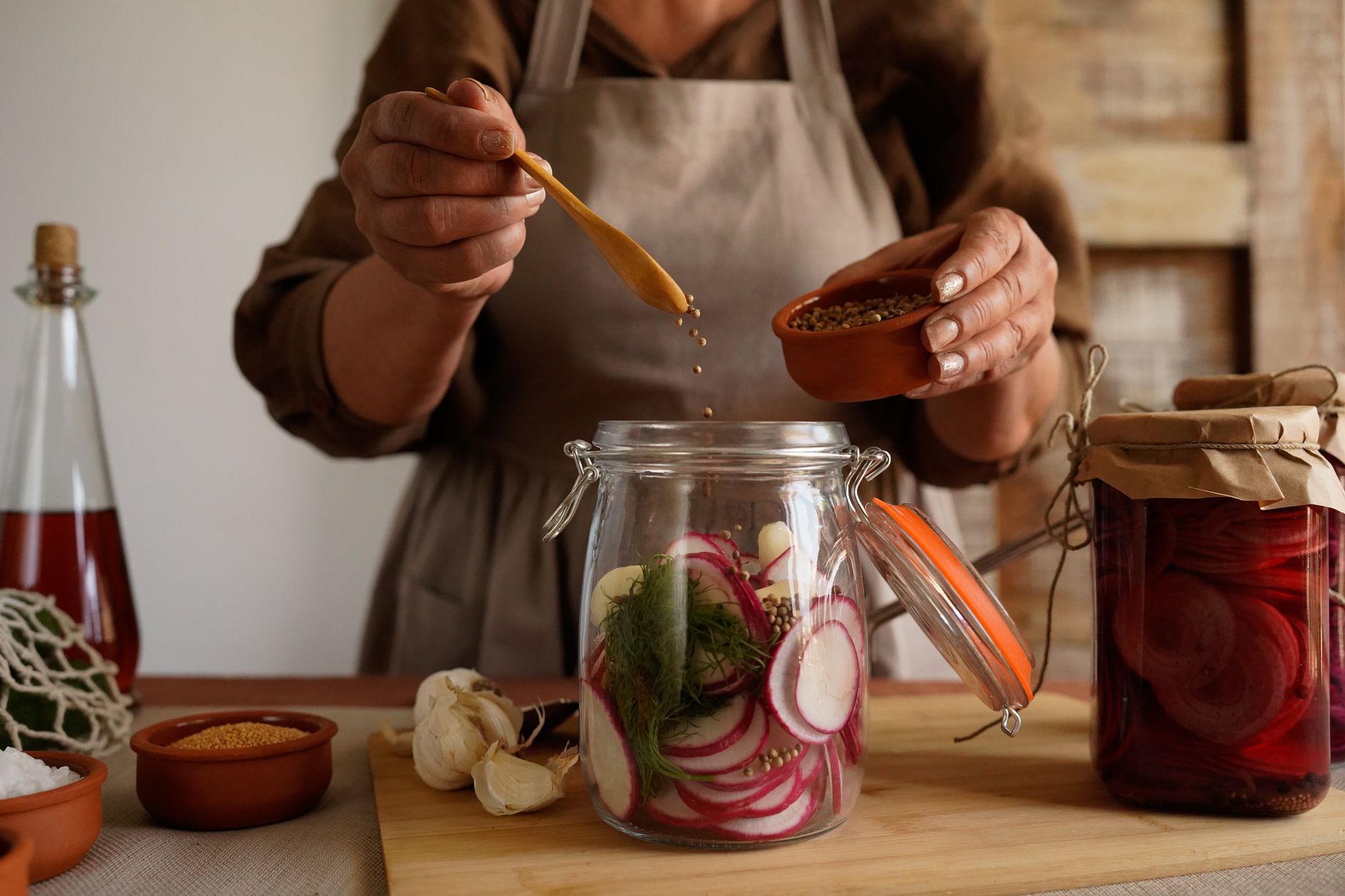
The hands-on craft of fermentation—every jar is a micro-habitat.

The SCOBY is the living heart of the process—just like a habitat's air system.

Ancient wisdom meets modern engineering—seals have been keeping cultures alive for centuries.
The Process: From Kitchen to Cosmos
Step 1: The Seal
Start with a perfect seal. In the kitchen, that's a jar with a fermentation lock. In a habitat, it's the airlock that keeps the interior pressurized. The tolerance has to be exact—no leaks, no cracks.
Step 2: The Pressure Release
As the culture ferments, it produces gas. The lock lets that gas escape without letting air in. Same with a habitat—CO2 needs to be filtered out, but oxygen needs to stay. It's a delicate balance.
Step 3: The Rhythm
Every bubble that escapes is a beat in the rhythm of the process. In a habitat, every cycle of air filtration is a heartbeat. The rhythm never stops.
Every time I build something, I'm thinking about how it works, how it fits together. The same way a carpenter thinks about every joint, or a teacher plans every lesson. It's all about precision, care, and the satisfaction of making something that works.
Check out my fermentation cycles page for more on how these rhythms sync up. Or jump to my sous-vide nutrient loops page to see how temperature control becomes life support.
Every jar, every seal, every bubble tells a story. And every story is a step closer to understanding how we can build a better world—one precise cut at a time.
— Chad